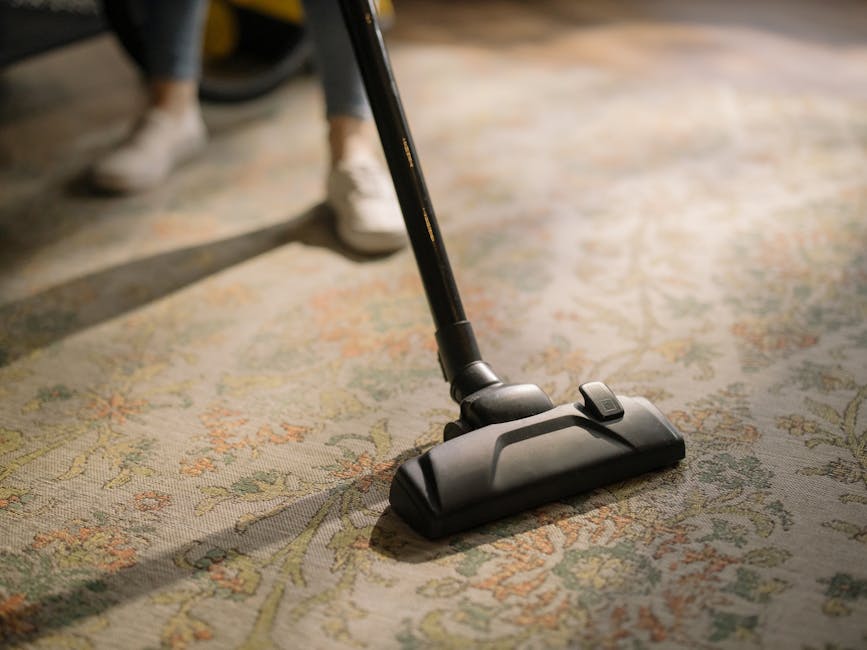
Carpet cleaning near Brick Lane Shoreditch: a practical local guide
If you are looking into Carpet cleaning near Brick Lane Shoreditch, you are probably dealing with one of those everyday London problems that sneaks up on you. A doorway track, a coffee spill, muddy shoes after a wet commute, or just the steady dulling that happens in busy flats and workplaces. It's rarely dramatic at first. Then one day you notice the carpet looks tired, smells a bit off, or no longer lifts the room the way it used to.
This guide walks you through what carpet cleaning near Brick Lane Shoreditch involves, how it works, what to expect, and how to choose a sensible approach for your home or business. We'll keep it practical. No fluff, no mystery. Just the stuff that actually helps you make a good decision.
For readers who want to compare options as they go, you can also look at professional carpet cleaning, steam carpet cleaning, or related services such as stain removal and pet stain and odour removal.
Table of Contents
- Why Carpet cleaning near Brick Lane Shoreditch Matters
- How Carpet cleaning near Brick Lane Shoreditch Works
- Key Benefits and Practical Advantages
- Who This Is For and When It Makes Sense
- Step-by-Step Guidance
- Expert Tips for Better Results
- Common Mistakes to Avoid
- Tools, Resources and Recommendations
- Law, Compliance, Standards, or Best Practice
- Options, Methods, or Comparison Table
- Case Study or Real-World Example
- Practical Checklist
- Conclusion
- Frequently Asked Questions
Why Carpet cleaning near Brick Lane Shoreditch Matters
Brick Lane and the wider Shoreditch area are busy, mixed-use, and always moving. You get flats above shops, shared entrances, offices, short-stay lets, busy households, creative studios, and plenty of foot traffic. That all adds up to carpet wear. Dirt particles work their way down into fibres, and once they settle, vacuuming only does so much. Truth be told, most carpets do not look dirty all at once; they fade gradually until the change becomes obvious in daylight.
There is also the comfort factor. A clean carpet changes how a room feels underfoot. It can make a hallway look brighter, a living room feel less stuffy, and a workspace feel a bit more cared for. If you've ever walked into a room and thought, "Ah, that feels fresher," that's usually not an accident.
For landlords, tenants, and business owners, carpet care is also about presentation and practicality. In a competitive London area, first impressions matter. So does longevity. A well-maintained carpet tends to last better than one that is left to collect grit, stains, and moisture. That's not a glamorous point, but it's a real one.
And with local properties often mixing old fittings with modern use, you may be dealing with different carpet fibres, patch repairs, or stains from years of daily living. A sensible cleaning plan helps you avoid replacing a carpet before you need to. Which, let's face it, nobody is eager to do.
How Carpet cleaning near Brick Lane Shoreditch Works
Most professional carpet cleaning starts with inspection. A cleaner should look at the fibre type, the condition of the carpet, any visible damage, and the kinds of marks present. Wool, synthetic blends, and delicate rugs can all need slightly different treatment. That first look matters more than many people realise.
From there, the process usually includes vacuuming, pre-treatment of spots, agitation where needed, and then a chosen cleaning method. In many homes and offices, steam carpet cleaning is a common option because it can reach deeper into the pile than basic surface cleaning. Despite the name, it often uses hot water extraction rather than literal steam alone. The practical idea is simple: loosen embedded dirt, draw it out, and leave the fibres cleaner.
Some situations need focused attention first. For example, coffee, wine, ink, or pet accidents can be tackled through targeted stain removal. That step is often the difference between a good result and a disappointing one. If odour is part of the problem, especially in flats with limited ventilation, a dedicated pet stain and odour removal process may be more appropriate than a general clean.
After cleaning, drying time becomes the next practical issue. In a busy Shoreditch property, you may need to plan around foot traffic, delivery times, or working from home. Faster drying is usually better, but it depends on carpet thickness, weather, airflow, and how much water the method uses. A good cleaner should explain that clearly instead of leaving you guessing.
If the carpets are part of a broader property reset, it can also make sense to combine the job with deep cleaning, end of tenancy cleaning, or even one-off cleaning depending on the condition of the space.
Key Benefits and Practical Advantages
There are the obvious benefits, and then there are the quiet ones. The obvious ones are simple enough: carpets look fresher, smell better, and show fewer marks. The quieter benefits tend to matter just as much over time.
- Cleaner appearance: Colours look less flat, and the room generally feels more cared for.
- Better indoor comfort: Less grit in the fibres means a more pleasant surface underfoot.
- Odour reduction: A proper clean can reduce the stale smell that often lingers in closed rooms.
- Longer carpet life: Removing abrasive dirt helps protect the pile from wearing down early.
- Improved impression for visitors or clients: Useful for homes, offices, rental properties, and reception spaces.
- More manageable maintenance: Regular cleaning often makes routine vacuuming more effective afterwards.
There is also the psychological effect. A carpet that looks and feels clean can make the whole space feel calmer. That sounds a bit soft, maybe, but anyone who has walked into a freshly cleaned room on a grey London morning knows exactly what I mean.
For businesses, clean carpets can support a tidier overall environment, especially if you pair them with services such as commercial carpet cleaning, office cleaning, or broader commercial cleaning. For homes, they fit neatly into domestic cleaning, house cleaning, or a seasonal reset.
Who This Is For and When It Makes Sense
Not every carpet needs the same level of attention, and that is where people sometimes overbuy or underbuy. The right service depends on how the property is used.
Homeowners and tenants often want to refresh carpets after a winter of wet shoes, before guests arrive, or when stains have become too visible to ignore. If you are moving out or moving in, carpet condition can be one of those details that suddenly matters a lot. It's never just about looks; it can affect deposit checks, handovers, and the general sense of whether a place feels ready.
Landlords and letting agents tend to need consistency. A carpet that looks acceptable at one viewing may look very different under natural light, and Shoreditch properties often have awkward mixes of old flooring and modern fittings. For that reason, move-out cleaning and move-in cleaning often go hand in hand with carpet care.
Offices, studios, and shared workspaces usually need a maintenance rhythm rather than a one-off rescue. Entrance routes, meeting areas, and tea points take the most abuse. If you wait until the carpet looks visibly tired, you are already late. Not by much, perhaps, but enough to notice.
Short-let and Airbnb hosts face a different challenge: quick turnaround. One spill can become tomorrow's review issue if it is not handled promptly. In those cases, it may be worth pairing carpet cleaning with Airbnb cleaning so the whole property feels ready, not just one room.
Pet owners know the story all too well. Fur, damp paws, the odd accident, and a smell that seems to come back at night. That's the moment when a normal vacuum-and-spot-wipe approach starts to fall short.
Step-by-Step Guidance
If you want the best result, it helps to think of carpet cleaning as a process rather than a single visit. Here's a straightforward way to approach it.
- Walk the space and identify problem areas. Look for traffic lanes, spills, pet spots, and areas that feel sticky or dull.
- Check the carpet type. If you know whether it is wool, synthetic, or blended, that helps guide the method.
- Vacuum thoroughly. This is not a rushed pass. Removing loose grit first protects the fibres during cleaning.
- Point out stains before the work begins. Coffee, grease, ink, and pet marks often need different treatment.
- Choose the cleaning method. A deeper method such as steam carpet cleaning is often suitable for general soiling, while spot treatments handle specific marks.
- Allow proper drying time. Keep foot traffic low, open windows where safe, and use airflow if possible.
- Review the result in daylight. Artificial light can hide residue or uneven patches.
- Maintain the carpet afterwards. Regular vacuuming and quick attention to new spills make a huge difference.
A small but useful tip: if the carpet has one stubborn area and everything else is okay, deal with that area first. It is often cheaper and more sensible than assuming the whole room needs the same treatment. One rug I saw in a small studio near Brick Lane had just a single coffee track by the desk, and once that was treated properly, the room looked almost new. Almost. But enough.
Expert Tips for Better Results
If you want better outcomes, the trick is not only choosing a good cleaner. It is helping the process succeed before anyone even turns up.
- Be honest about stains. If you try to hide a mark, the wrong treatment may be used on it.
- Don't scrub aggressively at home. That often pushes the stain deeper or roughs up the pile.
- Think in zones. Hallways, entrances, and sofa-side areas usually need more attention than bedrooms.
- Ask about drying expectations. Not because it sounds technical, but because it affects your day.
- Use runners or mats afterwards. Preventing re-soiling is half the battle.
- Plan around weather and ventilation. A damp day in London is not ideal for fast drying, to be fair.
- Combine related tasks where practical. If your carpets are linked to upholstery, consider upholstery cleaning or sofa cleaning at the same time.
Another small point: if you run a business or manage a property, ask for a cleaning plan rather than just a one-off visit. That gives you a better sense of frequency, budget, and what the service is actually designed to solve. It also makes life easier when you need to repeat the job later.
And yes, the humble vacuum still matters. A lot. Not glamorous, but true.
Common Mistakes to Avoid
People make carpet cleaning harder than it needs to be. Usually not on purpose. It is just easy to guess wrong.
- Leaving stains too long: The longer a mark sits, the more it bonds to the fibres.
- Using too much water at home: Over-wetting can lead to slow drying and a stale smell.
- Choosing based on price alone: Cheap can be fine, but only if the method and service fit the carpet.
- Ignoring fibre type: A delicate rug needs a different approach from a durable office carpet.
- Not checking access and parking early: In Shoreditch, logistics matter more than people expect.
- Forgetting about the source of the dirt: If the root cause is foot traffic, pet access, or a leak, the stain may return.
One mistake that comes up a lot is trying to solve everything with the same product. Carpet, rug, stain, odour, upholstery, and hard flooring are related, sure, but not identical. That is why some situations benefit from pairing carpet work with rug cleaning, hard floor cleaning, or even one-off cleaning if the whole space needs a reset.
Expert summary: the best carpet cleaning outcome is usually not the most aggressive one. It is the one matched to the carpet type, the soil level, the stain history, and the drying conditions.
Tools, Resources and Recommendations
You do not need a van full of equipment to make a good decision, but a few tools and questions help you steer the job properly.
- A good vacuum cleaner: Useful before and after professional cleaning.
- White cloths or paper towels: Better for gentle blotting than coloured towels, which can transfer dye.
- Basic stain notes: Write down what caused the mark and when it happened if you are booking a service.
- Clear access: Move small furniture and fragile items where possible.
- Photos of problem areas: Handy if you are requesting a quote or comparing methods.
If you want to understand service scope beyond carpets, it can help to review related pages like mattress cleaning, curtain cleaning, or window cleaning. That matters because many customers do not just need one service; they need a property to feel genuinely fresh.
For planning and budgeting, pricing and quotes is a sensible place to start. If you are comparing providers, you should also check about us, insurance and safety, and health and safety policy so you know who you are dealing with and how they approach the work.
Law, Compliance, Standards, or Best Practice
For carpet cleaning in London, the most useful compliance mindset is usually one of care, risk awareness, and sensible working practice. If a property is residential, shared, rented, or used by staff and visitors, you want the work to be done safely, with attention to access, slip risk, and ventilation. That is especially relevant when carpets are left damp and people still need to move through the space.
Good practice normally includes clear communication about drying time, safe movement around wet areas, and appropriate treatment choices for the fabric involved. If equipment is used in a shared building or business premises, the cleaner should work in a way that does not create avoidable hazards. Simple really, but it matters.
Insurance, fair complaint handling, payment clarity, and privacy handling are also part of a trustworthy service relationship. If these things matter to you, it is worth reading the provider's terms and conditions, privacy policy, and payment and security information before booking. That's just sensible due diligence, not bureaucracy for the sake of it.
Environmental care can also be relevant. Where possible, it is reasonable to ask how wastewater, detergents, and packaging are handled, especially if sustainability matters to your household or business. You can also look at recycling and sustainability for a broader picture of how a cleaning provider thinks about waste and materials.
Options, Methods, or Comparison Table
Different carpet cleaning situations call for different approaches. Here's a simple comparison to help with decision-making.
| Method | Best for | Strengths | Watch-outs |
|---|---|---|---|
| Basic vacuuming and spot care | Light maintenance and fresh spills | Quick, low cost, useful between deeper cleans | Will not remove embedded soil or deep odours |
| Steam carpet cleaning | General soiling, busy rooms, deeper refreshes | Good all-round clean, strong for many common carpets | Needs proper drying and may not suit every delicate fibre |
| Targeted stain treatment | Single spills, marks, and localised damage | Focuses on problem spots without over-treating the whole carpet | Success depends on stain type and how long it has been there |
| Pet odour treatment | Homes with cats, dogs, or recurring accidents | Addresses smell as well as visible marks | May need repeat attention if the source is still active |
| Full-property deep clean | End of tenancy, move-in/out, post-renovation resets | Creates a more complete refresh across the space | More time, more planning, and usually a broader budget |
In practice, many properties need a combination rather than one perfect method. A hallway might need steam cleaning. A bedroom might only need spot treatment. A rental flat might need carpet work alongside end of tenancy cleaning and move-in cleaning. That mix is normal, not a sign that anything is wrong.
Case Study or Real-World Example
Here's a realistic example from the sort of property people often have around Brick Lane and Shoreditch. A two-bedroom flat with a small entrance hall, a living room, and a heavily used route between kitchen and sofa. The carpet looked okay in photos. In daylight, though, the hallway had a greyed-down path, and there was a faint smell near the dining chair area where drinks had been spilled more than once.
The first step was not a dramatic deep treatment. It was assessment. One stain turned out to be old coffee, another a food spill, and the smell came from repeated small accidents rather than one big incident. That changed the approach. The cleaner treated the stains individually, then carried out a fuller carpet clean in the high-traffic areas and a targeted odour process near the problem spot.
The result was not miracle-level, because carpet cleaning is still carpet cleaning. Some wear remained, and that is normal. But the room looked brighter, the hallway no longer felt tired, and the smell was gone enough that the tenant felt comfortable having guests over again. Which, honestly, was the whole point.
The important lesson? Real homes are messy in layered ways. Good carpet care deals with the layers rather than pretending everything is the same kind of dirt.
Practical Checklist
Use this checklist before you book or begin carpet cleaning near Brick Lane Shoreditch.
- Identify the rooms and carpeted areas that need attention.
- Note any stains, odours, or damp patches.
- Check whether the carpet is wool, synthetic, or a blend.
- Move fragile items and clear access where possible.
- Ask about the cleaning method and expected drying time.
- Confirm whether stain treatment or odour work is included.
- Consider whether you need related services such as upholstery or rug care.
- Review pricing, payment, insurance, and service terms.
- Plan for ventilation and low foot traffic after cleaning.
- Check the result in daylight once the carpet has dried.
That's the practical version. Short and useful. No mystery, no guesswork.
Conclusion
Carpet cleaning near Brick Lane Shoreditch is about more than a tidy finish. It is about restoring comfort, removing the stuff that builds up slowly, and making your space feel cared for again. Whether you are a tenant trying to leave a flat in good shape, a homeowner wanting a fresher living room, or a business keeping customer-facing areas presentable, the right approach makes a noticeable difference.
The key is to match the method to the carpet, the stain, and the way the property is used. Do that, and you avoid a lot of wasted effort. You also get a better result, which is the part that matters at 6pm when the room finally looks right again.
If you are comparing options or planning your next clean, take a moment to review the service details, ask the right questions, and choose a provider that is clear about process and care. That little bit of thought upfront usually pays for itself later.
Get a free quote today and see how much you can save.
And if you are only just starting to think about it, that is fine too. A decent carpet clean has a quiet way of making the whole place feel more like home.
Frequently Asked Questions
How often should carpets be cleaned near Brick Lane Shoreditch?
It depends on foot traffic, pets, children, and whether the property is used for work or short stays. Busy homes and commercial spaces usually need more regular attention than quiet rooms.
Is steam carpet cleaning suitable for every carpet?
No, not every carpet. It works well for many general cleaning jobs, but delicate fibres or special finishes may need a different approach. A proper inspection helps avoid mistakes.
Can carpet cleaning remove old stains?
Sometimes, yes, but not always completely. The age of the stain, the product used, and the carpet fibre all affect the outcome. Older stains are harder, plain and simple.
How long does carpet cleaning usually take to dry?
Drying time varies depending on the cleaning method, thickness of the carpet, ventilation, and weather. In London, damp conditions can slow things down a bit, so planning matters.
What should I do before a carpet cleaner arrives?
Clear small items, move breakables, note problem areas, and vacuum if you can. That makes the appointment smoother and helps the cleaner focus on the actual problem spots.
Is carpet cleaning worth it for a rental property?
Yes, very often. It can improve presentation, help a flat feel ready for viewing or handover, and deal with marks that regular cleaning has not shifted.
Can carpet cleaning help with pet smells?
Yes, especially if the odour comes from repeated accidents or deep fibre contamination. A targeted pet stain and odour removal treatment is often more effective than a general clean alone.
What is the difference between carpet cleaning and deep cleaning?
Carpet cleaning focuses on the floor covering itself, while deep cleaning usually refers to a broader and more detailed clean across the property. The two are often booked together.
Should I choose the cheapest quote?
Not automatically. A low quote can be fine, but only if it clearly covers the work you need. Method, drying time, stain treatment, and access all matter more than a headline price.
Can I combine carpet cleaning with other services?
Yes, and that is often the smartest option. Many people pair carpet care with sofa cleaning, rug cleaning, mattress cleaning, or a broader property clean.
How do I know if a carpet cleaner is trustworthy?
Look for clear information about services, insurance, safety, payment, and complaints handling. If a provider explains the process plainly and does not dodge questions, that is usually a good sign.
What if the carpet still looks worn after cleaning?
Cleaning removes soil and improves appearance, but it cannot reverse every sign of age or fibre damage. Some wear is permanent. The goal is usually a cleaner, fresher, more presentable carpet, not a brand-new one.
Is carpet cleaning useful in offices and shared buildings?
Definitely. It helps maintain a better first impression, supports a more pleasant working environment, and reduces the build-up of grit in high-traffic areas. For that, office cleaning and communal area cleaning can be useful complements.
Where can I start if I want a quote or more information?
A good place to begin is the provider's pricing and quotes information, then check service details and any policies that affect your booking. After that, you can decide what feels right for your property and schedule.